Introduction to Switzerland’s Seasons
Switzerland is renowned for its breathtaking landscapes, which are shaped by a unique geographical position nestled between the majestic Alps and extensive plateaus. This country experiences distinct seasons, each offering travelers a myriad of unique experiences, influenced significantly by its alpine climate. The seasonal variations in Switzerland are not just a matter of temperature changes; they shape the entire travel experience, making timing essential for prospective visitors.
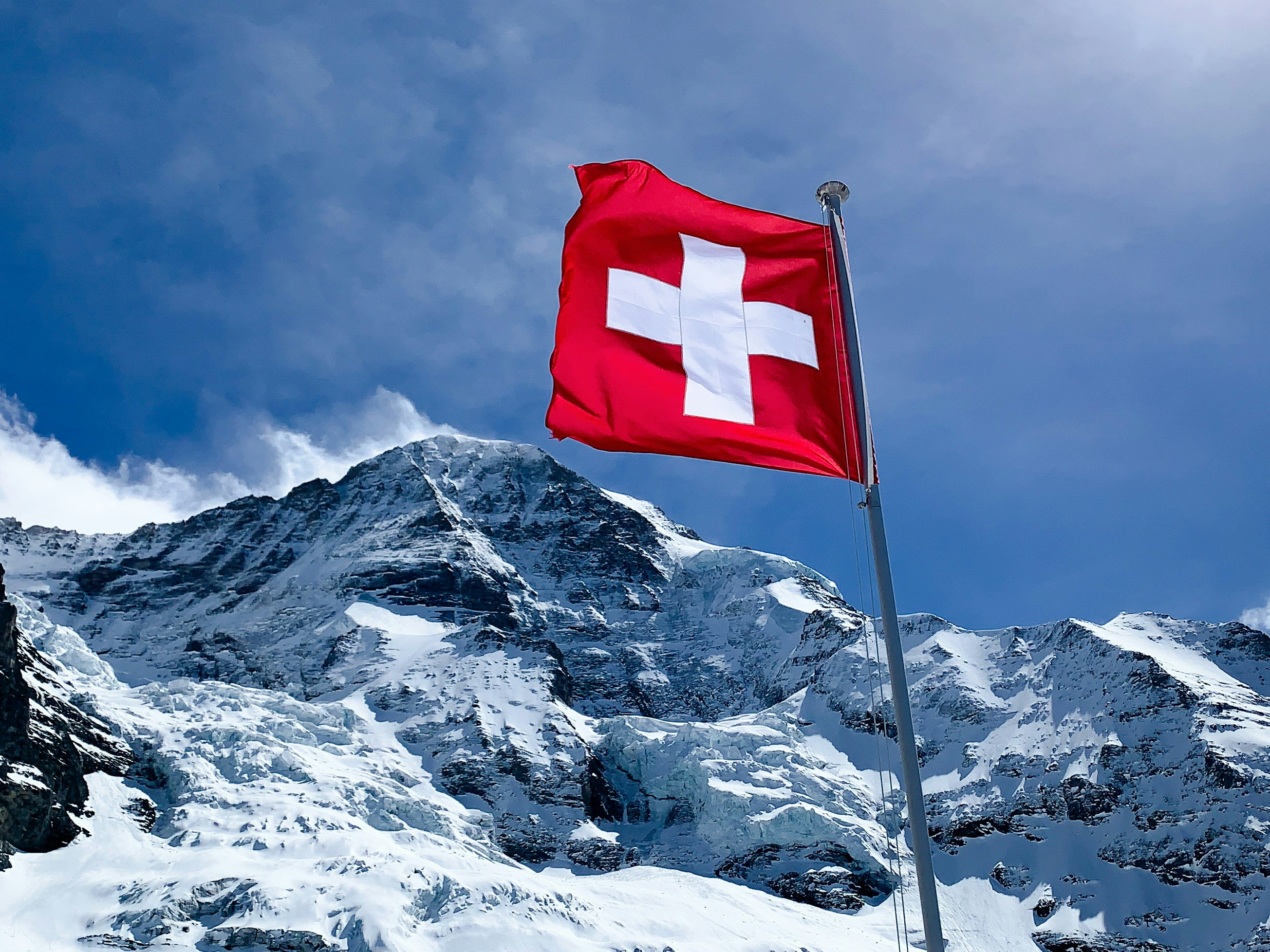
In winter, which typically spans from December to February, Switzerland transforms into a snowy wonderland. This season attracts ski enthusiasts from all over the world who flock to famous resorts like Zermatt and Verbier. The pristine slopes and charming villages create a picturesque atmosphere, catering to both seasoned skiers and novices. Visitors can also enjoy various winter activities such as snowshoeing and ice skating, taking full advantage of the snow-clad landscapes.
As spring arrives in March and lasts until May, the melting snow reveals a vibrant tapestry of wildflowers. This season marks the perfect time for hikers and nature lovers to explore the lower altitudes, as the weather is generally mild and pleasant. The blooming landscapes provide a refreshing contrast to the winter scenes, showcasing Switzerland’s abundant biodiversity.
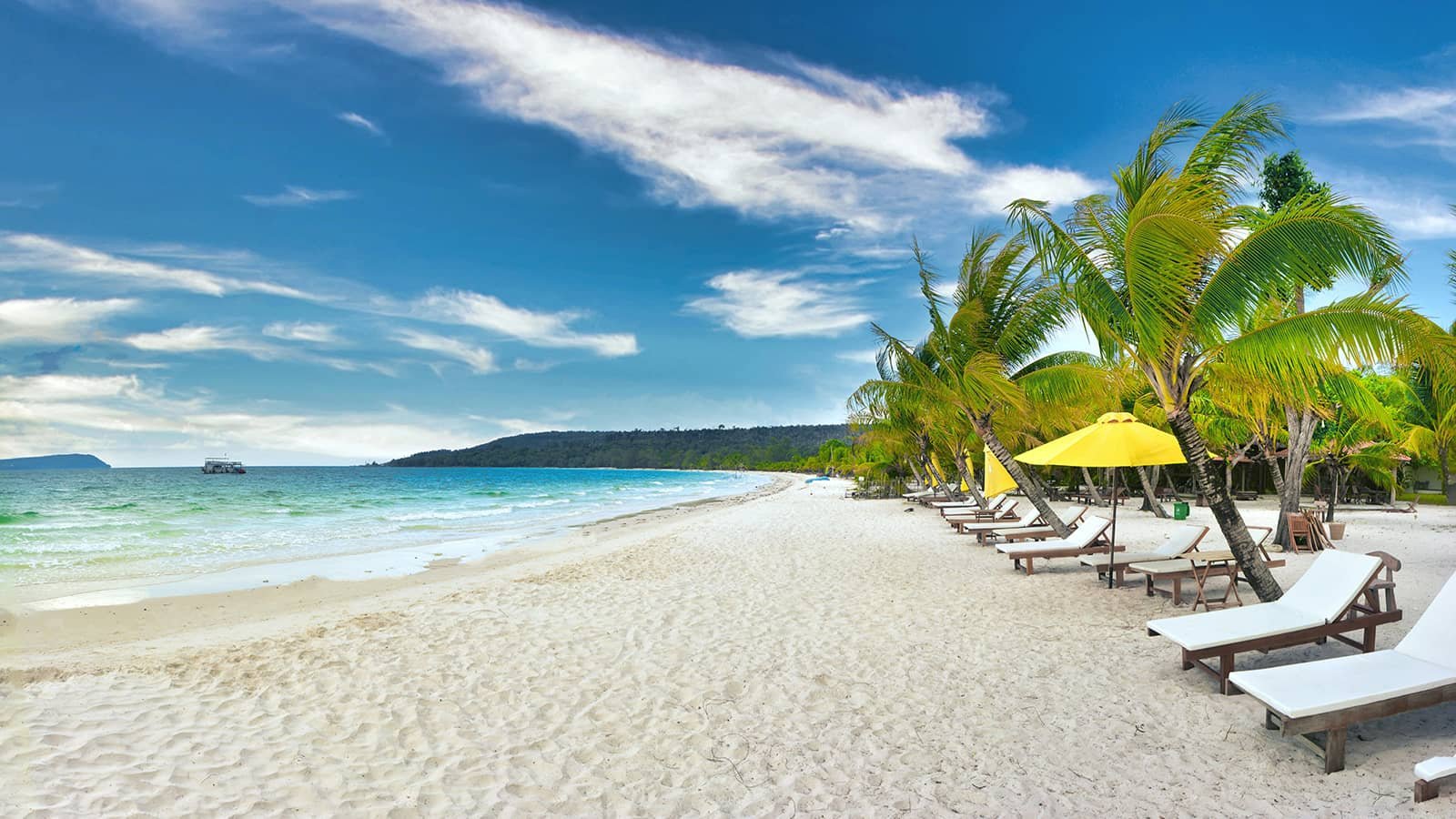
Summer, from June to August, invites tourists to bask in warm sunshine while enjoying outdoor activities in the lush valleys and mountains. It is the ideal time for hiking, biking, and vivid adventures by lakes such as Lake Geneva and Lake Lucerne. Visitors can experience vibrant festivals and cultural events that take place during this lively season.
Finally, autumn, from September to November, heralds a time of tranquility as the leaves turn into brilliant shades of orange and gold. This season offers stunning natural vistas and is a fantastic time for wine lovers to visit the vineyards in regions like Lavaux. Each season in Switzerland not only enhances the geography but also enriches the travel experience significantly, emphasizing the importance of choosing the right time to visit.
Spring (March to May): Bloom and Blossom
As winter recedes, Switzerland enters a vibrant and revitalizing spring season, typically spanning from March to May. During these months, the landscape undergoes a remarkable transformation, marked by the blooming of flowers and the thawing of snow in the lower altitudes. Travelers can expect mild temperatures ranging from 8°C to 18°C, creating ideal conditions for outdoor exploration.
The ambiance of the country during spring is enhanced by various festivals and cultural events. The celebrated Fête de la Tulipe in Morges, held in April, showcases a spectacular array of tulips, painting the scenery with vibrant colors. This event attracts both locals and visitors, fostering a sense of community and appreciation for nature. In addition, many Swiss towns host traditional Easter markets, where travelers can immerse themselves in local customs and purchase artisan goods.
For outdoor enthusiasts, springtime presents excellent opportunities for hiking, cycling, and enjoying nature’s beauty. The scenic trails around the Jungfrau region, such as those in Lauterbrunnen and Grindelwald, are often accessible as the snow melts, offering breathtaking views of waterfalls and majestic mountains. Ideal locations like Lake Geneva and the Aletsch Glacier area become particularly enchanting during this season, making them perfect spots for day trips and picnics.
Moreover, visitors can indulge in Swiss cuisine featuring seasonal produce. Many restaurants start offering dishes that highlight fresh asparagus and locally sourced ingredients, allowing travelers to experience the culinary delights of Switzerland in spring.
Overall, spring is an ideal time to visit Switzerland, as the weather is conducive for exploration, and the landscapes are alive with color, making it a truly picturesque season to enjoy the beauty and culture that the country has to offer.
Summer (June to August): The Height of Adventure
Summer in Switzerland, spanning from June to August, represents the peak of adventure and excitement for travelers. This season is characterized by a vibrant atmosphere, with tourists flocking to the stunning landscapes of the Swiss Alps and picturesque lakes. The weather during these months is generally warm, with temperatures often reaching 25 to 30 degrees Celsius in many regions, providing ideal conditions for various outdoor activities.
One of the most popular summer activities in Switzerland is hiking. The country boasts an extensive network of well-marked trails suitable for all skill levels. Whether you seek leisurely walks along scenic paths or challenging routes that lead to breathtaking mountain vistas, Switzerland offers an abundance of options. Additionally, many trails remain accessible throughout the summer, allowing visitors to explore regions that are otherwise closed during the winter months.
In addition to hiking, summer festivals and events bring life to Swiss towns and cities. Events such as the Montreux Jazz Festival and the Locarno Film Festival attract large crowds, providing a unique opportunity to experience Swiss culture and entertainment. These festivals not only showcase local talents but also feature international artists, further enriching the travel experience during this vibrant season.
However, with the influx of tourists, it’s essential to be mindful of the crowds, especially in popular destinations like Lucerne, Interlaken, and Zermatt. Travelers should consider booking accommodations and transportation well in advance to secure their preferred options. Moreover, travelers may wish to explore lesser-known areas to enjoy a more tranquil experience and appreciate Switzerland’s stunning natural beauty away from the hustle and bustle of tourist hotspots.
In summary, summer is undoubtedly a captivating time for those looking to experience the many adventures Switzerland has to offer, making it a favored choice for numerous travelers each year.
Autumn (September to November) and Winter (December to February): A Tale of Two Seasons
The transition from autumn to winter in Switzerland presents two distinct yet captivating experiences for travelers. Autumn, spanning from September to November, is characterized by a stunning display of fall foliage. The forests and vineyards transform into a kaleidoscope of reds, oranges, and yellows, making this season perfect for scenic drives and hikes. Visitors can enjoy the crisp air while partaking in various harvest festivals that celebrate local produce, especially Swiss wine and cheese. Notably, the Fête de l’Escalade in Geneva and the grape harvest festivals in the Lavaux vineyards attract numerous travelers, eager to engage with Swiss culture and gastronomy.
As the season progresses, temperatures gradually decrease, and by late November, the first snowfall often graces the higher elevations of the Swiss Alps. This marks the onset of winter, stretching from December to February. Winter in Switzerland is a wonderful time for adventure seekers and winter sports enthusiasts. The Alps, blanketed in snow, offer a plethora of skiing and snowboarding opportunities. Renowned ski resorts such as Zermatt and St. Moritz become bustling hubs, drawing visitors from all around the globe. In addition to skiing, activities like snowshoeing, ice skating, and sledding are also popular during this enchanting season.
Each of these two seasons possesses unique charms that cater to different interests. While autumn provides a serene and picturesque backdrop coupled with cultural events, winter brings an exhilarating atmosphere that entices those seeking outdoor adventures. Whether one chooses to immerse themselves in the tranquil beauty of autumn or embrace the thrilling winter landscape, Switzerland in these seasons promises memorable experiences.