Introduction to Canada’s Natural Wonders
Canada is renowned for its stunning natural beauty, characterized by a diverse array of landscapes and ecosystems that span the country from coast to coast. The geography of Canada is not only vast but also varied, featuring majestic mountains, expansive forests, pristine lakes, and rugged coastlines. These natural wonders make Canada a premier destination for travelers seeking outdoor adventures and a connection with nature.
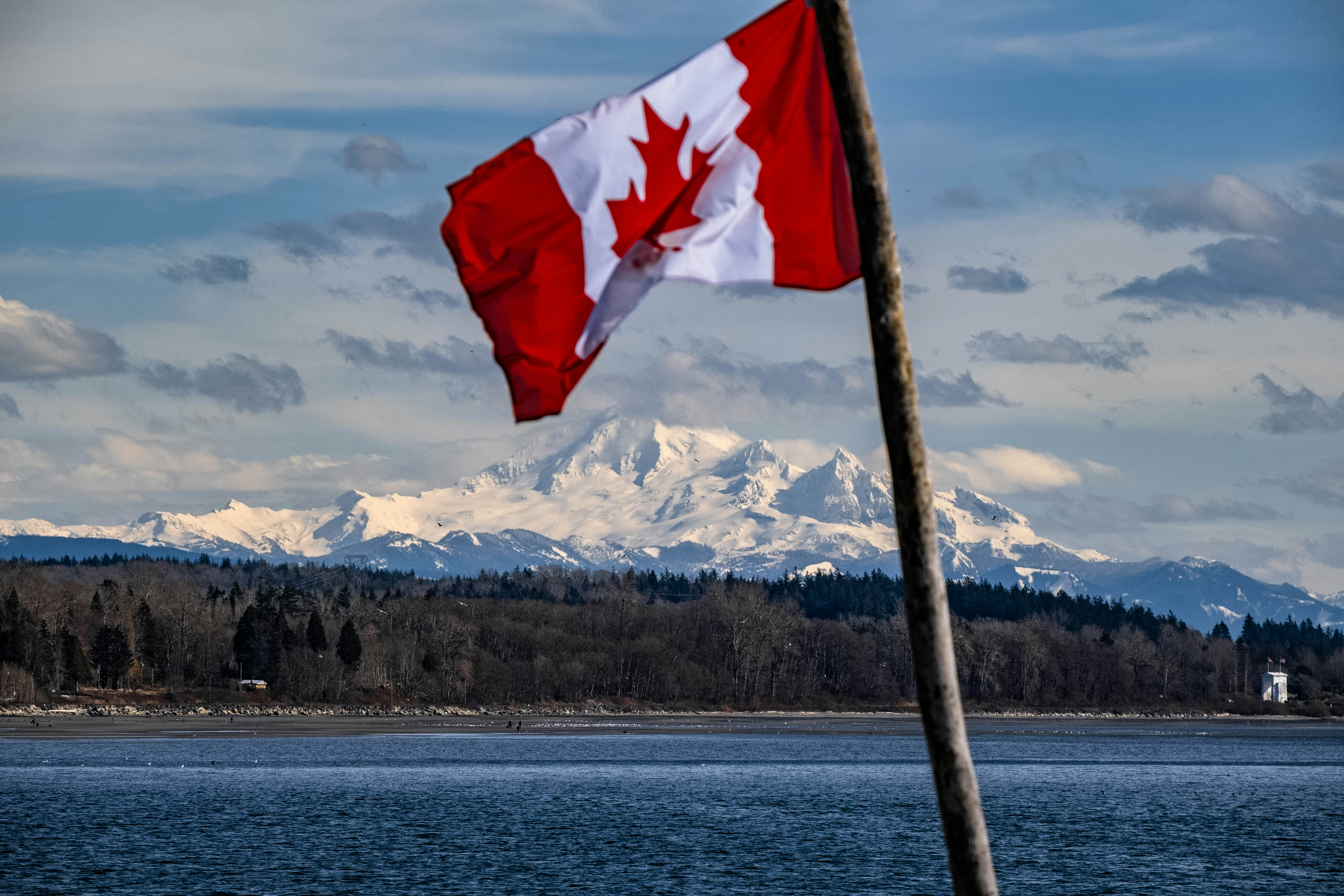
The Rocky Mountains, one of Canada’s most iconic features, stretch through British Columbia and Alberta, offering breathtaking views and a plethora of recreational activities such as hiking, skiing, and wildlife photography. National parks like Banff and Jasper are prime examples of how Canada’s mountainous regions are preserved, showcasing the diverse flora and fauna that thrive in these environments.
Moreover, Canada’s vast forests, covering nearly 40% of the country, serve as a sanctuary for countless species of wildlife. The boreal forests, in particular, are a defining characteristic of Canada’s northern landscape, playing a crucial role in the ecological health of our planet.
In addition to its forests and mountains, Canada is home to thousands of lakes—including the magnificent Great Lakes and the stunning turquoise waters of Lake Louise. These bodies of water not only provide recreational opportunities but also support diverse ecosystems that allow visitors to witness the inherent beauty of wildlife habitats.
Lastly, the coastal regions of Canada, from the Atlantic to the Pacific, boast dramatic cliffs, sandy beaches, and a rich maritime culture. These areas attract nature lovers and enthusiasts who wish to experience the harmony of land and sea.
In essence, Canada’s unique natural wonders, spanning various landscapes, make it an attractive destination for travelers looking to explore the great outdoors and appreciate the breathtaking beauty of nature.
Top Cities to Visit in Canada
Canada is home to a diverse array of cities, each offering its unique blend of culture, history, and attractions. Among these, Toronto, Vancouver, Montreal, and Ottawa stand out as must-visit destinations for travelers seeking to experience the vibrancy of urban Canada.
Toronto, the largest city in Canada, is known for its multicultural environment and iconic skyline, dominated by the CN Tower. The city boasts numerous cultural institutions, including the Royal Ontario Museum and the Art Gallery of Ontario, as well as entertainment districts like the Distillery District. Toronto’s culinary scene is equally diverse, featuring everything from gourmet dining to street food that reflects the city’s rich cultural tapestry.
Next on the list is Vancouver, recognized for its breathtaking natural beauty and outdoor activities. Nestled between the Pacific Ocean and the Coast Mountains, Vancouver offers unparalleled opportunities for hiking, skiing, and water sports. The city’s Stanley Park, a sprawling urban oasis, is a highlight for both locals and visitors. Additionally, the diverse neighborhoods such as Gastown and Granville Island present an array of shopping, dining, and cultural experiences.
Montreal, the largest city in Quebec, is a hub of French culture and boasts a rich history reflected in its architecture and festivals. The cobblestone streets of Old Montreal offer a glimpse into the city’s past, while the vibrant arts scene continues to thrive with events like the Montreal International Jazz Festival. Culinary enthusiasts will delight in trying poutine and other local specialties.
Lastly, Ottawa, the capital city of Canada, is not only home to significant national institutions like Parliament Hill and the National Gallery of Canada but also features beautiful parks and cultural sites. The Rideau Canal, a UNESCO World Heritage Site, becomes a scenic ice-skating rink in winter, attracting thousands of visitors each season.
These cities collectively showcase the character and diversity of urban Canada, making them essential stops for any traveler seeking to explore the country’s cultural richness.
National Parks and Outdoor Adventures
Canada is renowned for its breathtaking natural landscapes, and its national parks offer some of the finest outdoor adventures imaginable. Among these, Banff National Park and Jasper National Park stand out as two of the most visited and cherished natural treasures. Banff, located in the heart of the Canadian Rockies, is famous for its stunning mountain scenery, turquoise glacial lakes, and extensive trail networks. Visitors can enjoy activities like hiking, where paths lead to awe-inspiring viewpoints and hidden waterfalls. The renowned 1,000 km of hiking trails provide a range of options for all experience levels, attracting both casual walkers and seasoned trekkers.
Equally mesmerizing is Jasper National Park, which beckons with its expansive wilderness and diverse wildlife. Spanning over 11,000 square kilometers, this park offers countless opportunities for camping, fishing, and wildlife viewing. Adventure seekers can hike to Angel Glacier or embark on a more challenging trek up to Mount Edith Cavell, where they can witness some of the most picturesque vistas in the province. This park also presents excellent opportunities for stargazing, as it has been designated as a Dark Sky Preserve.
Moreover, the significance of preserving these national parks cannot be overstated. They serve not only as vital habitats for wildlife but also as spaces for environmental education and recreation. Visitors are encouraged to practice responsible tourism, ensuring that these natural areas remain intact for future generations. Engaging with nature through outdoor adventures not only provides exhilarating experiences but also fosters a connection to the environment that can lead to greater advocacy for conservation efforts. As more individuals explore Canada’s national parks, the importance of respecting and protecting these pristine landscapes becomes increasingly crucial.
Cultural Experiences and Festivals
Canada is renowned for its rich cultural tapestry, shaped by the vibrant contributions of its diverse population, including indigenous peoples. The country’s culture is celebrated through various festivals and events that showcase artistic expression and heritage. One of the most prominent celebrations is the Calgary Stampede, often referred to as the “Greatest Outdoor Show on Earth.” This annual rodeo and exhibition held in July attracts visitors from across Canada and abroad. It features rodeo competitions, live entertainment, and a vibrant array of cultural experiences that reflect both ranching traditions and contemporary performances.
Another significant event is the Toronto International Film Festival (TIFF), which takes place every September. Known internationally, TIFF serves as a prominent platform for filmmakers to showcase their work while highlighting the burgeoning Canadian film industry. It attracts celebrities and film enthusiasts, providing a unique opportunity for cultural exchange and discussion surrounding cinema. The festival emphasizes the importance of storytelling in both indigenous and modern contexts, reinforcing Canada’s commitment to artistic diversity.
Moreover, Canada is home to numerous other festivals that celebrate its multicultural landscape. For instance, events such as the Montreal Jazz Festival and the Vancouver Folk Music Festival bring together artists from various genres and backgrounds, enriching the Canadian cultural scene. These festivals not only provide entertainment but also serve as a means of preserving cultural heritage and fostering community connections.
In addition to these major events, local celebrations across provinces highlight indigenous traditions and cultural practices, promoting greater awareness and appreciation of Canada’s first peoples. From powwows to art exhibitions, these experiences offer insight into the country’s indigenous cultures, encouraging unity and respect among all Canadians.
Winter Wonderland: Exploring Canada in the Snow
Canada transforms into a magnificent winter wonderland from late November through March, offering stunning vistas, thrilling adventures, and festive experiences in a variety of destinations. Among the most renowned of these locations is Whistler, a world-class ski resort situated in British Columbia. This village attracts winter sports enthusiasts with its extensive alpine terrain and well-maintained slopes perfect for skiing and snowboarding. Beyond skiing, Whistler also provides opportunities for snowshoeing, sledding, and enjoying the scenic beauty of the surrounding mountains.
Quebec City is another prime destination during the winter season. Its historic architecture is adorned with a blanket of snow, creating a picturesque landscape reminiscent of a fairy tale. The city’s famous Winter Carnival showcases a vibrant array of activities, including ice sculptures, parades, and various competitions. This event draws visitors from all over the world and offers a unique way to embrace the festive spirit of winter in Canada.
For travelers looking to experience the cozy side of winter, various charming towns across the country provide inviting atmospheres with warm cafes, hearty culinary options, and opportunities to engage in local holiday traditions. Locations such as Banff and Jasper in the Canadian Rockies not only feature breathtaking natural beauty but also fabulous hot springs where visitors can relax after a day of outdoor adventure.
When planning a winter getaway in Canada, it is essential to prepare adequately. Ensure to dress in layers, as temperatures can fluctuate significantly. Additionally, booking accommodations in advance during peak season will guarantee access to the best experiences and festivities. Lastly, always check local weather forecasts to make the most of your winter adventure while enjoying everything the snowy Canadian landscape has to offer.
Wine Regions and Culinary Delights
Canada is home to an array of remarkable wine regions and culinary offerings that reflect the country’s diverse climate, culture, and agricultural richness. Among these, the Niagara-on-the-Lake region stands out as a premier destination for wine enthusiasts. Renowned for its picturesque landscapes and excellent wine production, it boasts several wineries that specialize in ice wine, a sweet dessert wine made from grapes that have frozen on the vine. Visitors can indulge in guided tours, tastings, and even culinary pairings that highlight the unique flavors of the region.
Further west, British Columbia’s Okanagan Valley has emerged as another must-visit wine area, known for its stunning lakes and mountains. The valley produces a variety of wine types, including award-winning reds and whites, with local grapes thriving in its warm climate. Here, wine aficionados can explore vineyards that offer a selection of tastings alongside stunning scenery. The region also hosts numerous food festivals, featuring local chefs who create exquisite culinary experiences that celebrate the fresh produce and artisan products available.
In addition to the featured wine regions, culinary delights abound across Canada. The province of Quebec is famous for its rich culinary heritage, with dishes such as poutine and tourtière exemplifying its unique flavor profile. British Columbia, with its proximity to the Pacific Ocean, offers numerous seafood specialties, while the Prairies showcase farm-fresh produce, particularly in dishes that highlight farm-to-table practices. By immersing oneself in Canada’s gastronomic landscape, travelers can not only savor local wines but also appreciate the rich tapestry of flavors and culinary traditions that define this nation.
Coastal Gems: An Overview of Canada’s Coastlines
Canada is blessed with one of the most diverse and extensive coastlines in the world, stretching over 202,080 kilometers. The remarkable coastal regions of Canada invite travelers to explore their rich marine life, stunning landscapes, and captivating cultural heritage. Among these coastlines, the Maritime provinces and the Pacific coast stand out as key destinations for those seeking a coastal adventure.
The Maritime provinces of New Brunswick, Nova Scotia, and Prince Edward Island offer a unique blend of breathtaking views and maritime culture. Whale watching is a popular activity in this region, especially in the Bay of Fundy, where visitors can observe various species, including humpback and minke whales. The high tides of the Bay of Fundy, known for being the highest in the world, create an ever-changing seascape that attracts nature enthusiasts all year round.
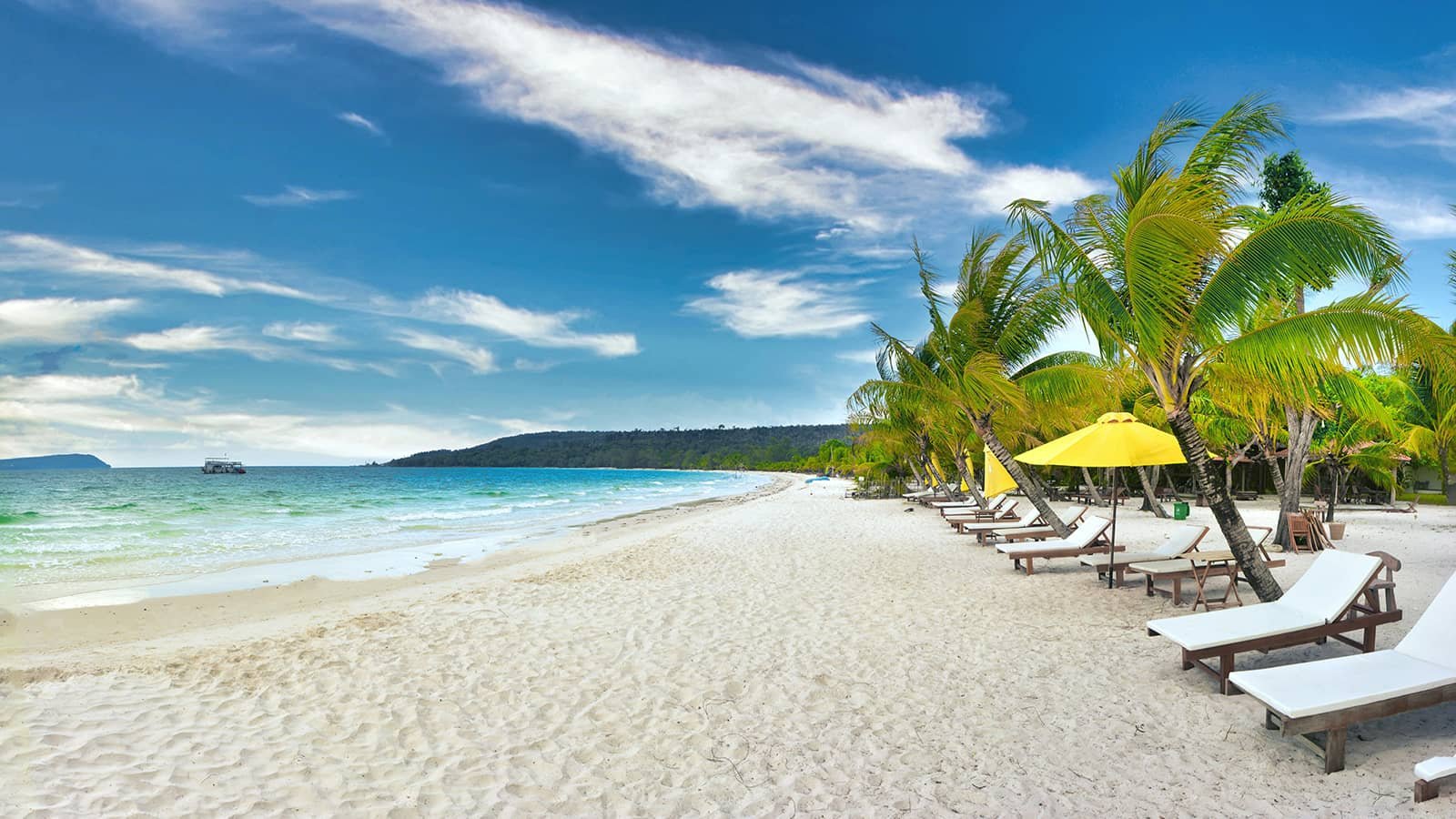
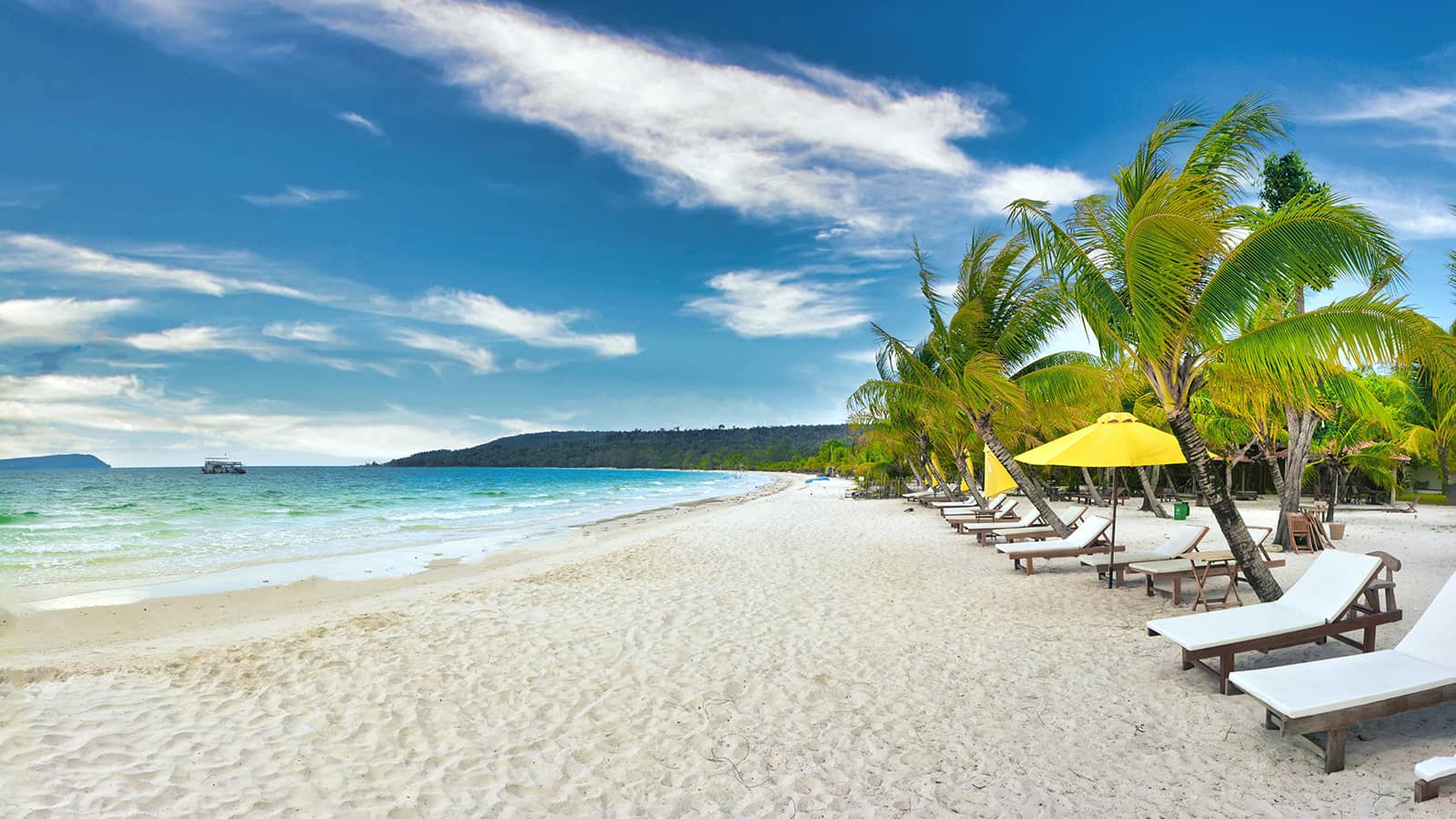
In addition to whale watching, visitors can enjoy the picturesque beaches that grace the Atlantic coastline. The white sandy shores of Prince Edward Island are perfect for a relaxing beach day, while the rugged cliffs of Nova Scotia provide a more dramatic backdrop for exploring the coast. Historic lighthouses dot the landscape, illuminating the rich maritime history of the region, and many coastal towns boast vibrant fishing industries and seafood dining experiences.
Moving westward, Canada’s Pacific coast, particularly British Columbia, presents another remarkable coastal experience. The coastal scenery features majestic mountains that meet tranquil waters, providing a paradise for outdoor adventurers. Kayaking through the inlets and fjords reveals a plethora of wildlife, including seals, otters, and various seabirds. The local Indigenous cultures also add depth to the coastal experience, offering cultural tours that celebrate their heritage and connection to the sea.
With a range of activities from leisurely beach visits to exhilarating wildlife encounters, the coastal gems of Canada provide unforgettable experiences for all types of travelers. Whether it is the historic charm of the eastern coast or the rugged beauty of the west, these coastlines encapsulate the natural and cultural treasures of the country.
Travel Tips and Practical Information
When planning a trip to Canada, it is essential to consider various travel tips and practical information to ensure a smooth experience. First, understanding transportation options within and between cities is crucial. Canada boasts an extensive public transportation system, including buses, subways, and trains. Major cities like Toronto, Vancouver, and Montreal have reliable transit networks that are both affordable and convenient for tourists. For longer distances, consider VIA Rail and regional airlines for travel between cities, as driving can be time-consuming due to the vastness of the country.
Timing your visit is another key aspect. The best times to travel to Canada typically depend on your destination and preferred activities. Summer (June to August) offers warm weather and vibrant festivals, while winter (December to February) is perfect for skiing and winter sports. Spring and fall can provide a unique experience, showcasing breathtaking natural beauty as seasons change and crowds thin.
Travelers should also consider visa requirements for entering Canada. Most visitors from the U.S. require just a valid passport, while travelers from other countries may need an Electronic Travel Authorization (eTA) or a visa, depending on nationality. It is advisable to check the Government of Canada’s official website prior to your trip to find out the latest visa requirements and procedures.
Lastly, familiarize yourself with local customs and traditions. Canadians are known for their politeness and friendliness, so simple gestures such as saying “thank you” go a long way. Canadian culture is diverse, reflecting a blend of various backgrounds, and it is advisable to be respectful and open-minded when interacting with locals. Understanding these basic tips will enhance your travel experience and help you immerse yourself in the rich tapestry of Canadian life.
The Allure of Traveling in Canada
Traveling in Canada offers a myriad of experiences that extend far beyond the well-trodden tourist paths. From the stunning landscapes of the Rocky Mountains to the vibrant culture of urban centers such as Toronto and Montreal, Canada is a country that caters to diverse interests and preferences. Each province boasts its own unique charm, providing travelers with unlimited opportunities for exploration and adventure.
One of the key attractions of traveling in Canada is its breathtaking natural beauty. National parks such as Banff and Jasper in Alberta provide exceptional outdoor experiences, including hiking, skiing, and unparalleled wildlife viewing. On the other hand, the rugged coastlines of British Columbia invite visitors to explore picturesque towns like Tofino and Victoria, enriching their journey with stunning ocean views and local culinary delights. The variety of landscapes enables travelers to customize their itineraries, ensuring each visit is filled with personal discoveries.
Moreover, Canada’s multicultural fabric enriches the traveler’s experience. The country is home to a rich tapestry of cultures and traditions, where influence from Indigenous peoples, French heritage, and immigrant communities converge. This blend is reflected in its arts, music, festivals, and, notably, its cuisine. Culinary tourism is thriving; foodies can indulge in everything from fresh seafood on the East Coast to the farm-to-table movement prevalent in various regions.
Encouraging exploration beyond conventional routes can reveal numerous hidden gems, including lesser-known towns and attractions that capture the essence of Canadian life. Whether it’s diving into the vibrant local art scene, discovering historical landmarks, or simply soaking in the natural environment, every traveler leaves with a unique story. This tapestry of experiences makes Canada a top travel destination, inviting everyone to engage with its beauty and hospitality.