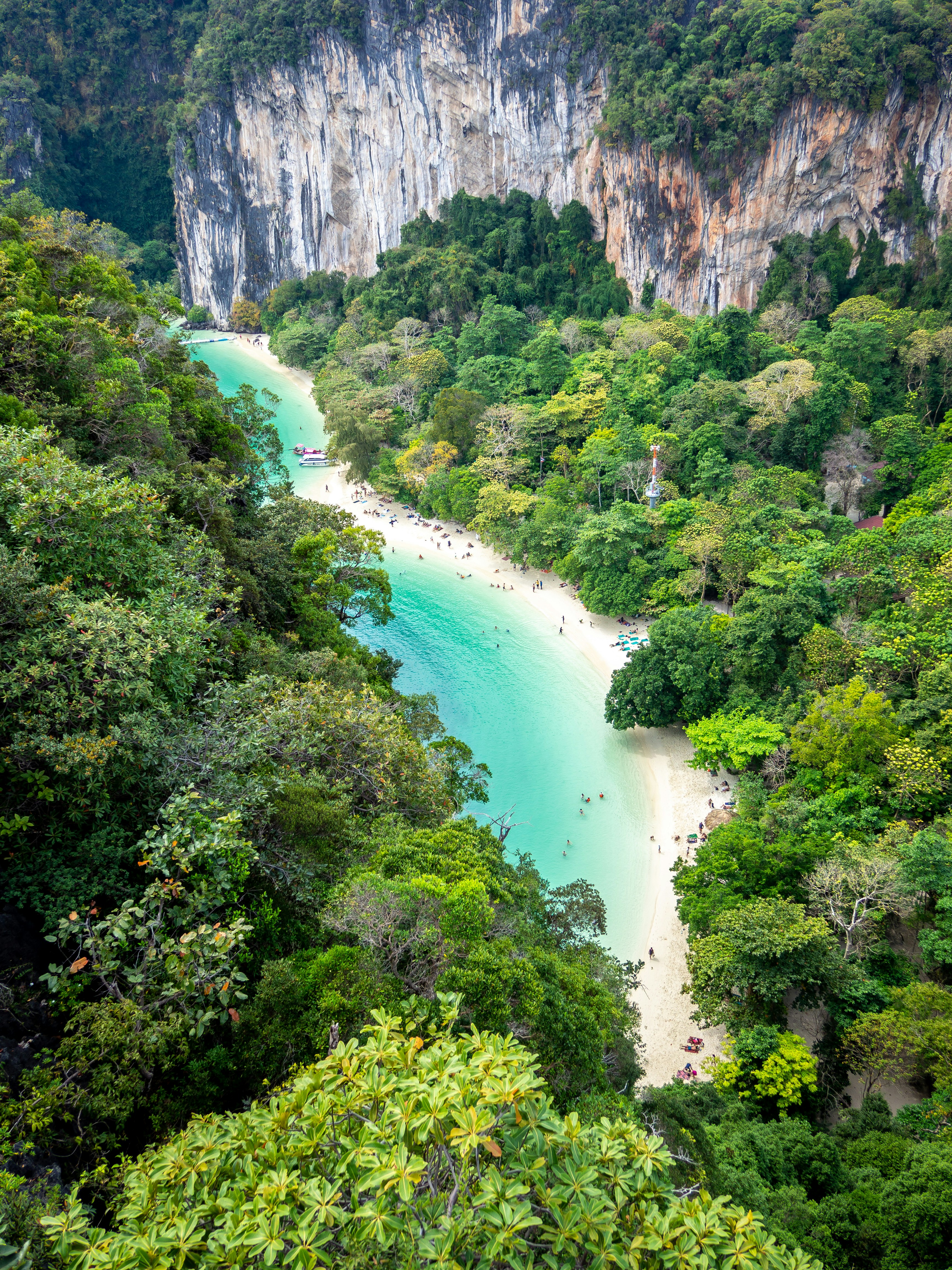
Understanding Costa Rica’s Climate
Costa Rica is renowned for its remarkable biodiversity, stemming largely from its diverse climate zones. The country’s unique geographical position results in a combination of coastal and mountainous climates that create a variety of weather patterns throughout the year. Costa Rica experiences two main seasons: the dry season, which typically spans from December to April, and the rainy season, often referred to as the green season, which lasts from May to November.
The dry season is characterized by warm, sunny days and minimal rainfall, making it an ideal time for visitors seeking outdoor adventures and exploration of the lush landscapes. Popular activities, such as hiking in national parks, soaking in hot springs, or lounging on pristine beaches, flourish during these months. Additionally, the dry season aligns with the peak travel months, drawing tourists from around the globe, which can influence accommodation prices and availability.
Conversely, the rainy season brings cooler temperatures and frequent afternoon showers, especially in the coastal regions. However, this period also offers a unique charm; the increased moisture revitalizes the diverse flora and creates stunning landscapes adorned with vibrant green hues. Many travelers appreciate this time for fewer crowds and discounted rates, allowing for a more intimate experience with Costa Rica’s natural beauty. Outdoor activities, such as birdwatching and wildlife tours, are particularly rewarding during this season due to enhanced animal activity and visibility.
It is essential for potential travelers to consider these climatic distinctions when planning their visit. Understanding the weather patterns in different regions can greatly influence travel experiences, as certain areas, such as the Caribbean Coast, exhibit different rainfall trends compared to the Pacific side. Thus, recognizing these variations empowers tourists to select the perfect time to explore Costa Rica’s rich diversity of landscapes and experiences.
Peak and Off-Peak Seasons
Costa Rica experiences a dynamic climate that influences its peak and off-peak travel seasons. The peak season typically spans from mid-December to April, coinciding with the dry season. During this time, the country attracts numerous tourists seeking to experience its rich biodiversity, vibrant festivals, and numerous outdoor activities. Visitors can enjoy iconic events like the Fiesta de Palmares, celebrated in January, or the renowned Santa Cruz Festival in January as well. These festivals showcase the country’s culture and local traditions. Wildlife enthusiasts may also have the opportunity to observe migratory birds and sea turtles during these months, making it an ideal time for nature lovers.
However, it is important to note that peak season attracts higher prices for accommodation, tours, and flights. The influx of visitors leads to crowded attractions and may diminish the overall travel experience for some. Thus, prospective travelers may wish to consider the benefits of exploring during the off-peak season, which runs from May to November. Although this period coincides with the rainy season, many travelers find the lush greenery and natural beauty unparalleled. The rain typically falls in short bursts, leaving ample time for exploration and relaxation.
Traveling during the off-peak months not only provides a more tranquil experience but can also result in significant savings. Tourists often find reduced prices for lodging and activities, along with fewer crowds at popular destinations. Moreover, the off-peak season presents unique opportunities to witness the country’s impressive wildlife, such as the nesting of green sea turtles on the Pacific coast. Overall, whether one decides to visit during the peak or off-peak season, Costa Rica offers a variety of experiences that cater to diverse preferences and budgets.
Best Activities for Each Season
Costa Rica’s diverse climate allows for a variety of activities throughout the year, catering to every type of traveler. Each season presents unique opportunities to explore the nation’s stunning landscapes, abundant wildlife, and vibrant cultures. Here, we recommend activities based on the country’s seasonal variations.
During the dry season, which runs from December to April, surfing becomes a popular pastime, particularly along the Pacific coast. Playa Tamarindo and Santa Teresa are renowned surf spots, attracting both beginners and experienced surfers alike. Additionally, this season is perfect for hiking through national parks such as Corcovado and Arenal, where the trails remain accessible and the views are breathtaking. Birdwatching enthusiasts will also appreciate the clear skies that facilitate sightings of various migratory species.
As the rainy season approaches from May to November, the landscape transforms into a lush greenery brimming with life. While some activities may be more challenging due to the rain, this period is ideal for wildlife watching. The Osa Peninsula and Tortuguero National Park are hotspots for viewing turtles nesting and other wildlife. The increased humidity also leads to a vibrant display of flora, making this a spectacular time for nature walks and photography.
Throughout the year, Costa Rica’s cultural festivals offer a glimpse into its rich heritage. Events such as the Fiestas de Palmares in January and the Dia de la Independencia in September attract both locals and visitors, showcasing traditional music, dance, and cuisine. Participating in these festivities, regardless of the season, enriches the travel experience and provides a deeper understanding of Costa Rican culture.
In summary, by aligning activities with seasonal offerings, travelers can fully immerse themselves in the diverse experiences Costa Rica has to offer, whether it be surfing during the dry months or enjoying the vibrant wildlife in the lush greenery of the rainy season.
Tips for Planning Your Trip
Planning a trip to Costa Rica requires thoughtful consideration of several factors to ensure a memorable experience. One of the primary aspects to consider is timing. Costa Rica has two distinct seasons: the dry season, typically running from December to April, and the rainy season from May to November. The dry season is the most popular for tourists, offering sunny weather ideal for outdoor activities. However, the rainy season, while wetter, has its perks, including fewer crowds and lush landscapes.
When booking flights and accommodations, it is advisable to reserve well in advance, especially if traveling during the peak season. Consider using flexible dates to find the best deals. Vacation rentals, hotels, and eco-lodges can fill up quickly, so early planning is key to securing your desired accommodation. Additionally, check for any travel restrictions or requirements, as these may vary throughout the year and can affect travel plans.
Weather in Costa Rica can vary significantly by region. The Pacific coast typically offers warmer temperatures, while the Caribbean side may be more humid. It is wise to prepare for varying conditions by packing appropriate clothing and gear, including lightweight, breathable fabrics for daytime and warmer layers for cooler evenings. Also, consider bringing rain gear, especially if you plan to visit during the rainy season.
Tailoring your itinerary based on seasonal highlights is crucial for maximizing your experience. For example, turtle nesting occurs along the Pacific coast from July to October, while whale watching peaks from August to October. Engaging with local customs and understanding seasonal events can enrich your visit, as participating in local festivals provides insight into the vibrant culture of Costa Rica.