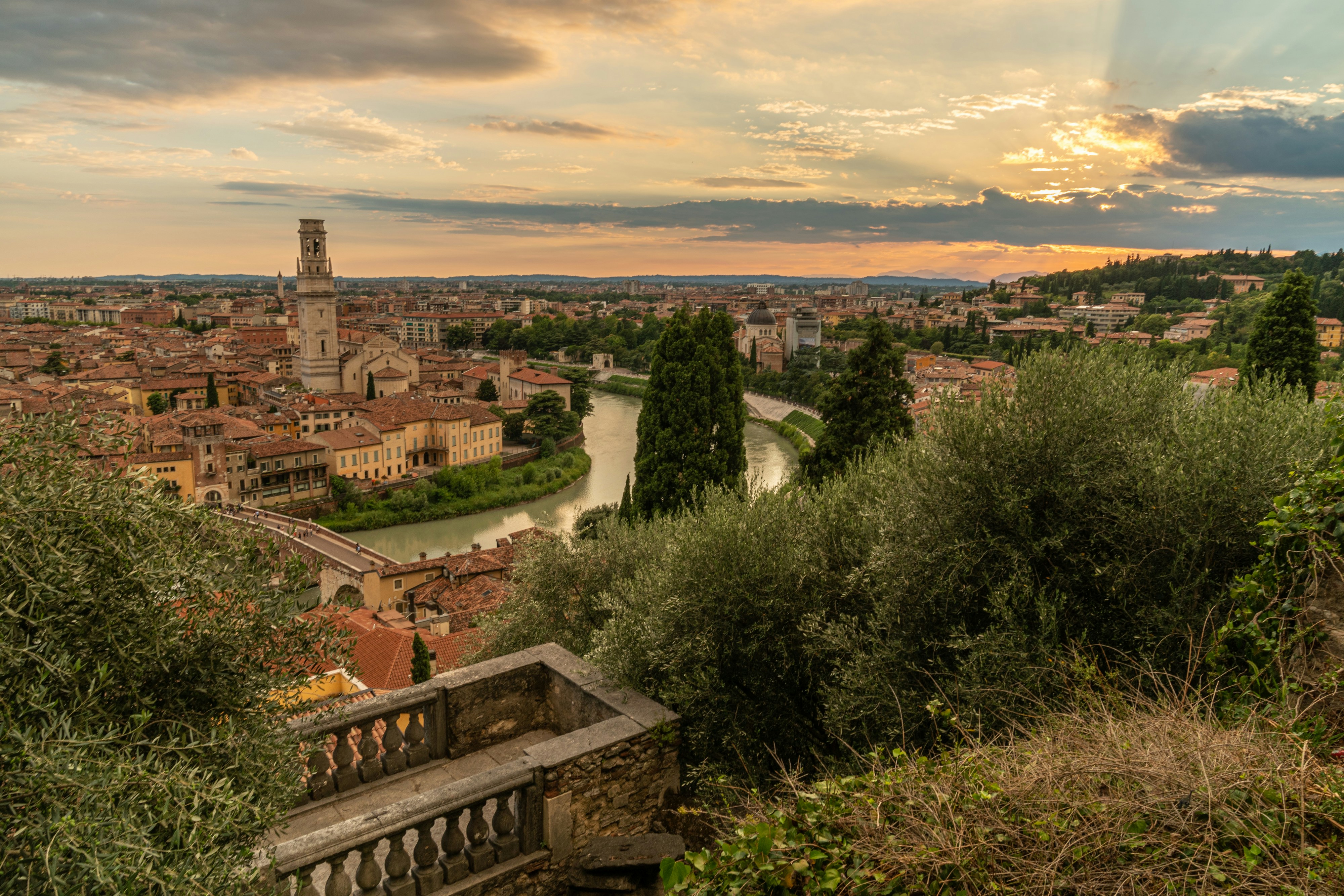
Introduction to Italy as a Travel Destination
Italy is renowned globally as a prime travel destination, attracting millions of visitors each year. This beautiful country boasts a rich history that dates back to the Roman Empire, and an array of cultural treasures that include magnificent architecture, world-class art, and mouthwatering cuisine. Whether travelers are drawn by the allure of ancient ruins, the vibrancy of modern cities, or the serene beauty of natural landscapes, Italy offers a plethora of experiences that cater to all interests.
A significant aspect of Italy’s appeal lies in its diverse cultural regions. From the romantic canals of Venice to the historic streets of Florence and the bustling energy of Rome, every part of Italy has its distinctive charm. For food lovers, regions such as Emilia-Romagna and Tuscany promise delightful culinary experiences, featuring local delicacies that are celebrated worldwide. Equally, history enthusiasts will find an abundance of historical sites, including the ruins of Pompeii and the breathtaking architecture of the Colosseum.
Art aficionados will be mesmerized by Italy’s artistic heritage, as the country is home to priceless masterpieces, particularly in cities like Florence and Milan. Renowned museums such as the Uffizi Gallery and the Vatican Museums showcase the works of legendary artists like Leonardo da Vinci and Michelangelo, further enhancing Italy’s status as a cultural epicenter.
Nature seekers will also find much to admire in Italy’s varied landscapes, ranging from the rolling hills of Tuscany to the dramatic cliffs of the Amalfi Coast. The stunning scenery not only provides a feast for the eyes but also opportunities for outdoor activities such as hiking, skiing, and boat excursions.
In summary, Italy stands out as an enticing travel destination, offering a rich tapestry of history, art, culinary delights, and breathtaking nature, making it a must-visit country for any traveler seeking unforgettable experiences.
Top Historic Cities to Visit
Italy is renowned for its rich cultural heritage and historic cities that offer a glimpse into the past. Among them, Rome, Florence, Venice, and Milan stand out as top destinations, each with its unique blend of ancient architecture, art, and vibrant urban life.
Rome, the capital city, is often referred to as the “Eternal City” and is steeped in history. Visitors can explore iconic landmarks such as the Colosseum, the Roman Forum, and the Vatican City, home to remarkable artworks like Michelangelo’s Sistine Chapel. To maximize the experience, travelers are advised to book tickets in advance for popular attractions and consider guided tours that provide in-depth historical context.
Florence, the heart of the Renaissance, is another must-visit city. Renowned for its stunning art and architecture, Florence is home to the Uffizi Gallery, which hosts masterpieces by artists such as Botticelli and Leonardo da Vinci. The city’s architectural marvels include the Florence Cathedral, with its impressive dome designed by Brunelleschi. It is also advisable to stroll through the historic streets and visit artisan shops to appreciate the local craftsmanship.
Venice, famously built on water, offers a unique travel experience with its winding canals and charming gondolas. The historic center, a UNESCO World Heritage Site, includes landmarks such as St. Mark’s Basilica and the Doge’s Palace. Travelers should consider visiting during the quieter seasons to avoid large crowds and enjoy a more relaxed exploration of the city’s picturesque beauty.
Finally, Milan is a modern hub known for fashion and design, but it is also home to significant historical sites. The Milan Cathedral, a stunning example of Gothic architecture, dominates the skyline. Art enthusiasts should not miss Leonardo da Vinci’s “The Last Supper,” located in the Convent of Santa Maria delle Grazie. When visiting Milan, utilizing public transport can ease the experience and provide convenient access to various attractions.
Natural Wonders and Coastal Beauty
Italy is renowned for its stunning natural landscapes and picturesque coastal regions that captivate travelers from around the globe. Among these, the Amalfi Coast stands out for its breathtaking cliffs, charming villages, and crystal-clear waters. This UNESCO World Heritage site offers visitors a myriad of outdoor activities, including hiking the scenic Path of the Gods, which provides sweeping views of the coastline and the Mediterranean Sea. The allure of Amalfi’s vibrant towns, such as Positano and Ravello, is not only in their beauty but also in their rich cultural heritage, inviting exploration through local culinary delights and artisanal crafts.
Moving towards the east, Cinque Terre dazzles with its five colorful fishing villages nestled against rugged cliffs. A network of hiking trails connects these towns, allowing adventurous travelers to experience the region’s dramatic landscape, lush vineyards, and terraced gardens. The famous blue trail offers an easy trek along the coastline, while more challenging paths lead to secluded viewpoints and hidden beaches. Notably, the rich marine life in the surrounding waters also attracts snorkeling and diving enthusiasts.
Further inland, the Dolomites present a different kind of natural wonder, showcasing towering peaks and verdant valleys. This mountainous region is perfect for both summer and winter sports. In the winter, it transforms into a ski paradise, while during the warmer months, it invites hikers, climbers, and mountain bikers to explore its pristine trails. Cultural experiences abound here as well, with opportunities to engage in local traditions and festivals celebrating the region’s unique heritage.
Together, these natural wonders and coastal beauties contribute significantly to Italy’s appeal, drawing nature lovers and adventure seekers alike to experience their awe-inspiring attractions. The harmonious blend of breathtaking scenery and rich culture provides a compelling reason to explore Italy’s magnificent landscapes and seascapes.
Culinary Delights and Regional Specialties
Italy is synonymous with food, and its culinary landscape is as diverse as its geography. Each region boasts its own distinctive flavors, ingredients, and traditional recipes, reflecting the history and culture of the area. From the rich, hearty dishes of Northern Italy to the vibrant, sun-soaked flavors of the South, Italy’s regional cuisines offer a tantalizing journey for any traveler.
In the north, you will find specialties such as risotto alla Milanese, which hails from Lombardy, characterized by its creamy consistency and golden hue from saffron. Northern regions favor dishes that are rich and heavy, often featuring a variety of meats, cheeses, and hearty grains. The use of fresh, local ingredients is paramount, as they contribute to the unique and authentic flavors that make Italian cuisine a beloved global phenomenon.
As you travel further south, the culinary scene transforms dramatically. The central and southern regions embrace vibrant vegetables, aromatic herbs, and a focus on simple preparations that truly allow the ingredients to shine. Dishes such as pasta alla Caprese and Neapolitan pizza highlight the importance of fresh tomatoes and mozzarella, showcasing the Italian love affair with fresh produce. Sicily, in particular, is known for its street food culture, with options like arancini and cannoli, which reflect the island’s diverse historical influences.
Food tours and cooking classes throughout Italy provide an immersive experience for travelers eager to delve deeper into the culinary arts. Visitors can participate in hands-on workshops that teach them how to make traditional pasta or discover the secrets behind authentic sauces. Exploring local markets also offers a rich experience, where tourists can sample local delicacies and learn about the ingredients that define Italy’s culinary heritage.
Ultimately, engaging with Italy’s culinary scene is essential for anyone wishing to truly appreciate the heart of Italian culture. Each meal tells a story, revealing the connection between the people, their land, and their history. A journey through Italy’s regional dishes is not just a feast for the palate, but also an exploration of its soul.