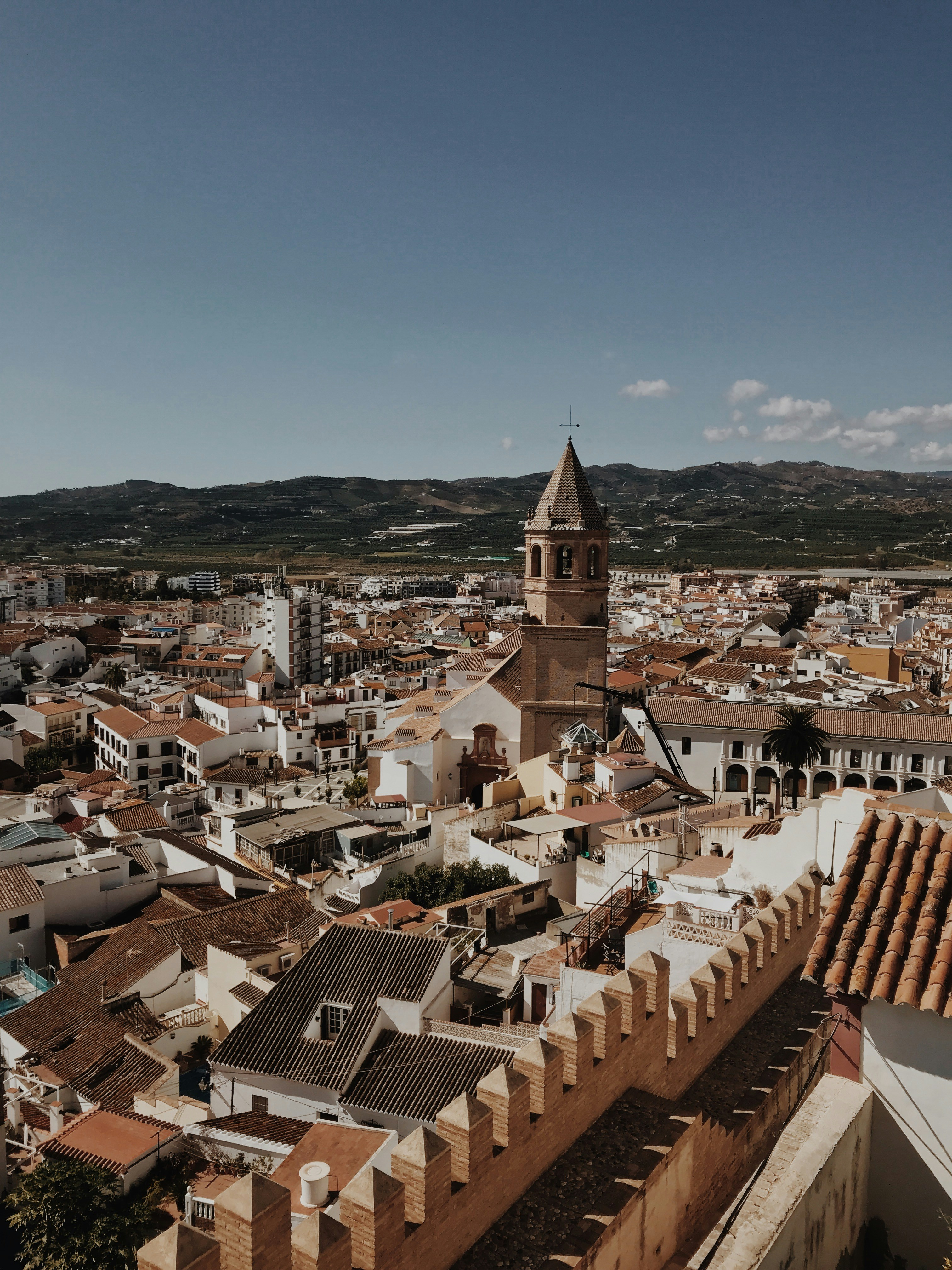
Exploring the Vibrant Streets of Barcelona
Barcelona, Spain’s second-largest city, is renowned for its rich tapestry of culture, art, and architecture. A striking blend of history and modernity greets visitors as they stroll through the bustling streets. At the heart of this vibrant atmosphere lies the iconic Sagrada Familia, a monumental basilica designed by the famous architect Antoni Gaudí. The intricate facades and towering spires symbolize the city’s architectural innovation and devotion to artistic expression. This UNESCO World Heritage Site draws millions of tourists each year, eager to marvel at its unique design that is still under construction over a century after its inception.
Another must-visit location is La Rambla, the central boulevard pulsating with life. Lined with shops, cafes, and street performers, La Rambla offers a sensory overload. It showcases the essence of Barcelona, inviting visitors to immerse themselves in the local culture. As one walks along, they will encounter the vibrant markets, including the famous La Boqueria, where fresh produce and delectable local delicacies can be sampled. This gastronomical experience is integral to understanding Barcelona’s culinary heritage.
The Gothic Quarter, or Barri Gòtic, further exemplifies the city’s rich history. Narrow, winding streets reveal medieval architecture, inviting explorers to discover a hidden world. The quarter is home to numerous artistic treasures, including the stunning Barcelona Cathedral. The influence of Gaudí permeates throughout the city, evident in several structures that have become symbols of Catalan modernism. From the whimsical Park Güell to the distinctive Casa Batlló, his work reflects an extraordinary blend of creativity and organic forms.
In summary, Barcelona’s vibrant streets offer an unparalleled experience blending culture, art, and cuisine, solidifying its status as one of the best travel destinations in Spain.
The Rich Historical Heritage of Madrid
Madrid, the vibrant capital of Spain, boasts a rich historical heritage that spans centuries, making it a top destination for history enthusiasts. At the heart of the city lies the Royal Palace, an architectural marvel that serves as a reminder of Spain’s royal traditions and opulent past. Originally built in the 9th century, this grand palace features stunning interiors and lush gardens, attracting visitors keen on exploring its historical significance.
Additionally, Madrid is home to world-renowned museums that house priceless artworks and historical artifacts. The Prado Museum is particularly noteworthy, showcasing an extensive collection of European art from the 12th to the early 20th centuries. Visitors have the chance to view masterpieces by artists such as Velázquez, Goya, and Bosch, offering a glimpse into the cultural evolution of Spain. Just a short stroll away, the Reina Sofia Museum adds to Madrid’s cultural tapestry, featuring contemporary works, including Picasso’s Guernica, which highlights the tumultuous history of Spain in the 20th century.
The lively atmosphere of Madrid’s markets and plazas further enhances the city’s appeal. Places like Mercado de San Miguel provide a culinary journey through Spain, featuring local delicacies and traditional dishes that reflect the country’s gastronomic heritage. The bustling Plaza Mayor serves as a hub for social interaction and local traditions, where visitors can enjoy tapas while immersing themselves in the vibrant street life.
All these elements contribute to Madrid’s status as a city steeped in history, where visitors can easily connect with the past while relishing the modern-day energy that defines this dynamic destination. Through its royal legacy, impressive museums, and delightful culinary experiences, Madrid offers a profound appreciation of Spain’s cultural richness.
The Enchanting Coasts of Costa del Sol
The Costa del Sol, a stunning stretch of coastline located in the province of Málaga, is renowned for its picturesque beaches and vibrant atmosphere. Sun-seeking travelers flock to this region, where the golden sands are complemented by an inviting climate that is warm and sunny for most parts of the year. Among the highlights of the Costa del Sol are well-known beach towns such as Marbella and Nerja, each offering unique experiences and attractions.
Marbella is celebrated for its luxurious lifestyle, featuring upscale boutiques, fine dining establishments, and a lively nightlife scene that caters to a diverse clientele. Visitors can unwind along Playa de la Fontanilla or take a stroll through the charming old town, characterized by narrow streets and quaint whitewashed buildings. For those looking for relaxation mixed with entertainment, Marbella presents numerous beach clubs that provide a perfect combination of sunbathing and socializing.
Nerja, on the other hand, boasts breathtaking natural beauty and a more laid-back atmosphere. The scenic cliffs and the famous Balcon de Europa offer stunning views of the Mediterranean Sea. The nearby Caves of Nerja present a fascinating glimpse into the region’s geological history, attracting families and adventure seekers alike. The tranquil beaches of Burriana and Calahonda are ideal spots for swimming or enjoying water sports such as kayaking and snorkeling.
While these iconic towns each have their distinct appeal, the broader Costa del Sol region also emphasizes outdoor activities and local dining options that cater to all tastes. Families can explore various attractions, such as amusement parks and animal reserves, ensuring a well-rounded experience for all ages. Culinary enthusiasts can indulge in local delicacies, including savory tapas and freshly caught seafood, enhancing their visit to this enchanting destination.
The Historical and Cultural Treasures of Andalusia
Andalusia, the sun-drenched southern region of Spain, offers a vibrant tapestry of history and culture, vibrant cities, and unique traditions. Among its most notable cities, Seville, Granada, and Córdoba stand out, each showcasing a rich blend of Moorish influences, Gothic architecture, and modern urbanism that attracts millions of travelers each year.
Seville, the capital of Andalusia, is renowned for its stunning landmarks, including the magnificent Seville Cathedral and the iconic Giralda tower. The city is also famous for its intimate connection to Flamenco music and dance, a passionate form of artistic expression that has deep roots in the region. Visitors can immerse themselves in Flamenco culture by attending live performances in traditional venues known as “tablaos,” where they will experience the raw energy and emotion of this captivating art form.
Granada boasts the breathtaking Alhambra, a UNESCO World Heritage Site that reflects the grandeur of Moorish architecture. The intricate details of the Alhambra’s palaces and gardens transport visitors back to the times of the Nasrid dynasty. A visit to Granada would not be complete without exploring the Albaicín district, where meandering narrow streets reveal a blend of history and artistic vibrancy, topped with spectacular views of the Alhambra against the backdrop of the Sierra Nevada mountains.
Córdoba, once the capital of the Islamic Caliphate, presents another layer of Andalusia’s cultural riches. The Great Mosque-Cathedral, or Mezquita, is a masterpiece of Islamic architecture that showcases the region’s rich religious history. Festivals, such as the Feria de Córdoba, provide an immersive experience into the local traditions, where food, music, and dance come together to celebrate Andalusia’s heritage through tapas and lively gatherings.
To make the most of your journey in Andalusia, consider timing your visit to coincide with local festivals, where you can engage with the culture and spirits of the region, savoring its famous culinary delights, especially in the picturesque outdoor plazas and bustling tapas bars.